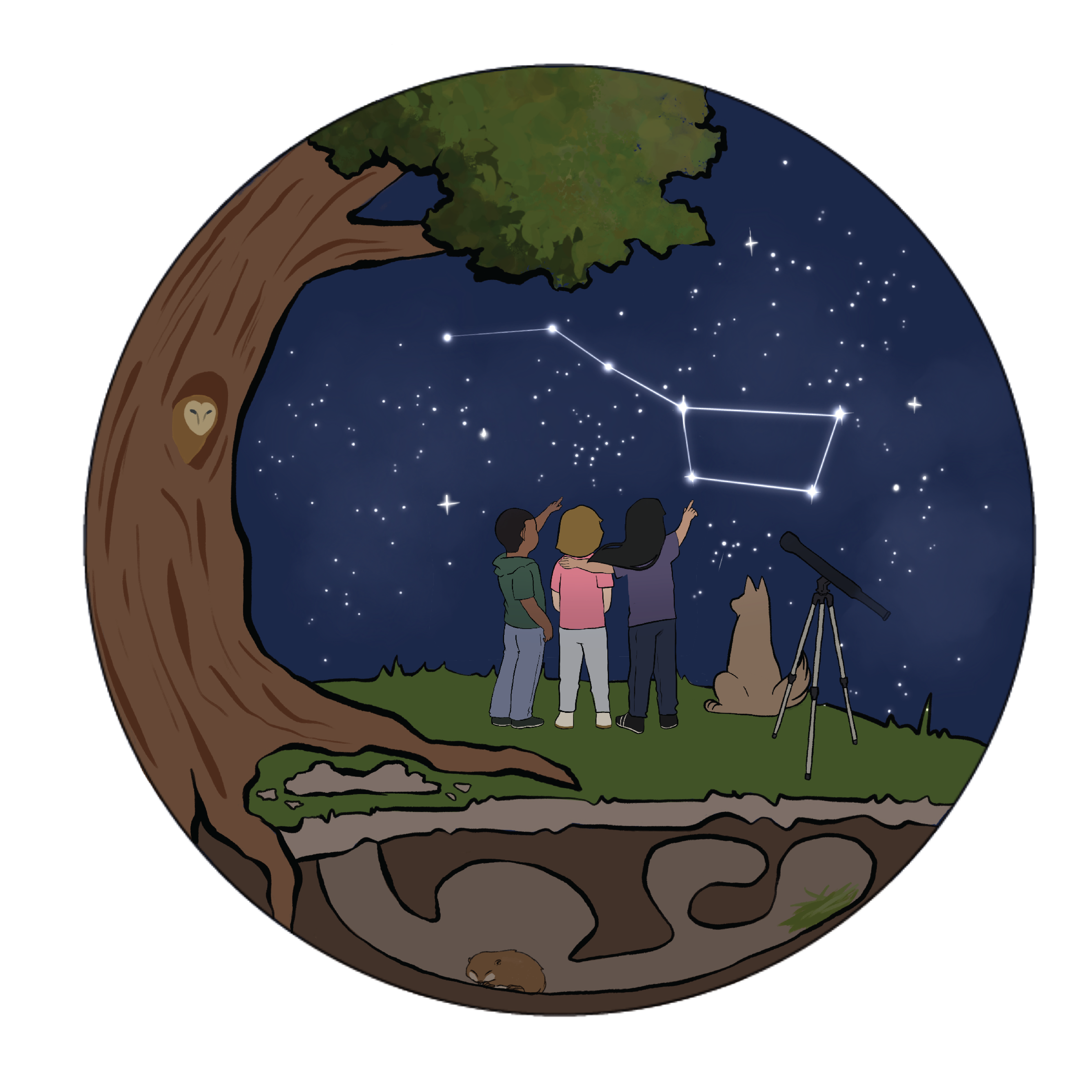
Nature vs. Nurture as explained by Myers and DeWall (2018), is a “genetic inheritance”, meaning biology; and nurture as “our experiences”, are explained as influences from stimuli to guardians. They are equally important to the physical and mental health of the individual, subsequent offspring, and greater population.
The Individual
I would like to begin with the conception of a zygote, which represents a fertilized human egg (Fowler, et al, 2017, p. 135). The joining of the 46 chromosomes, represents the “nature” and “nurture” of two different humans. If healthy and successful, produce offspring with optimum variability and better odds in terms of natural selection, adaptation, and “reproductive potential” (7). However, even then, Fowler (2018) explains that optimal beginnings are not static, “as an environment changes, natural selection causes the characteristics of the individuals in a population to track those changes” (p. 7). These “changes” are influenced by early experiences (nurture) as well as environment (nature) mentioned in Maslow’s Hierarchy of needs (Myers & DeWall, 2018, p. 257), which are building blocks for physical as well as mental needs. If your foundational necessities are not met, you are less likely to have the foundation necessary to build on “esteem needs” and “self-actualization needs” (p. 257). In an “Emerging Science” report provided by Parritz & Troy, (2017), they write about “Differential Sensitivity: Interactions among Genes, Temperament, and Parenting”, which outlines how “genetics, interact with social and physical environments in meaningful ways” (p. 70), The “Diathesis” model and explanation spotlight how stresses a child experience which are highlighted in Maslow’s hierarchy of needs are a given; what makes the difference is the environment, parenting, coping mechanisms, and support from the guardian(s) that help to mitigate whether a child develops “psychological disorders such as schizophrenia, depression, and anxiety” (p. 70).
Conclusion
Many of the concepts learned in Biology, Geography, Psychology, and Humanities are familiar to me. After concluding courses as a student, what’s been cemented in my mind is that much like how our environment is circular and what happens in one corner of the world in terms of ecology affects us all in a trickle-down effect. It’s the same for humans and our offspring. Everyone’s mental wellbeing and physical wellbeing influences their DNA. This DNA is subsequently handed down to our children as well as the ecology they draw sustenance from. This symbiotic relationship requires tending, balance, and respect for all “ingredients” that contribute to our existence. It’s not a matter of strictly nature or nurture, it’s both. In one interesting article by Alana Connor Snibbe, “Taking the ‘vs.’ out of nature vs.nurture, for the American Psychological Association, (2004), discusses how evolutionary and cultural science communities long maintained their prominence or belief that one trumped the other. What they’ve come to appreciate is that both have a “legitimate explanatory role” (par. 3).
References
Fowler, S., Roush, R., Wise, J., (2017). Concepts of Biology. OpenStax.
Parritz, R. H., & Troy, M. F. (2018). Disorders of childhood: Development and psychopathology
(3rd ed.). Cengage Learning.
Snibbe, A. C. (2004, November). Taking the ‘vs. ‘ out of nature vs. Nurture. Monitor on
Psychology, 35(10). https://www.apa.org/monitor/nov04/nature